I
44
45

46
65

66
67

86
102
109
111

118
126
132
138
152

153
157
158
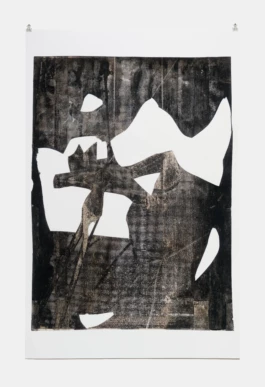
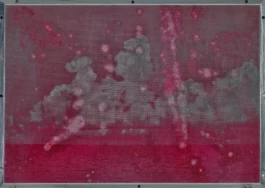
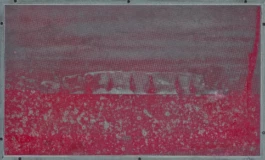
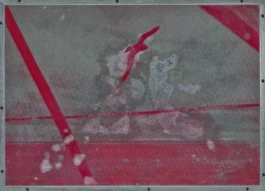
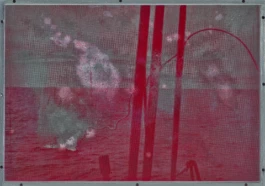
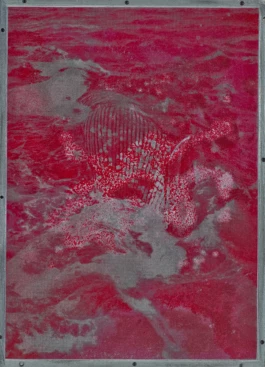
The point of departure for the work Horizonte in the series Spuren is a specific found object: the book Waljäger and a set of related printing plates and production materials.
Published in 1939, Waljäger is a heroic account of the author’s adventures on board the Jan Wellem, the first German factory whaling ship to be launched in the twentieth century. Wolfgang Frank rose to renown under the Nazis, producing bestsellers about life in the Navy during the war; after 1945, he turned to a nature romanticism that proved widely popular. The book is illustrated with ninety-six of his photographs that show hunting motifs, life on board, and the ocean as such—as a metaphor, subject in its own right, and screen onto which fantasies of domination can be projected.
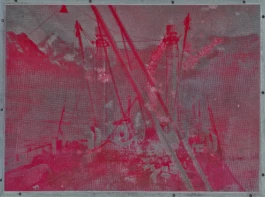
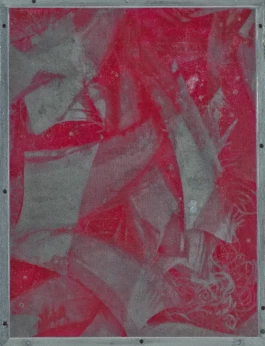
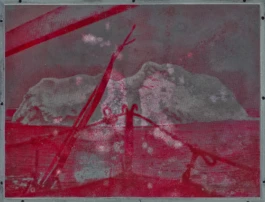
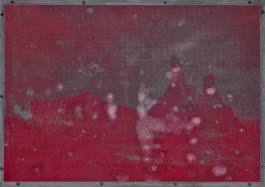
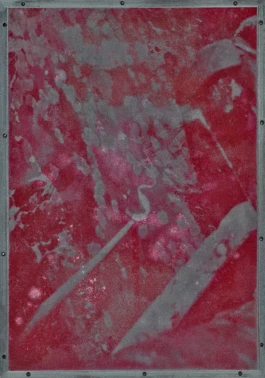
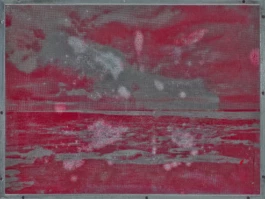
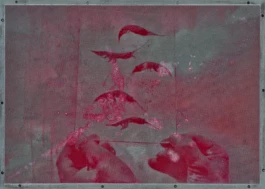
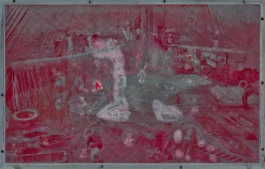
Horizonte is a restored and framed selection from the set of photographic printing plates, which had suffered severe damage from corrosion during decades in storage. The pictures had turned into pictorial fragments. The losses prompted questions: Can the ideologies that inscribe themselves on the surfaces of pictures be washed off? Can fragmentary depictions of the subjugation of nature become expressions of a visual resistance?
In the process of corrosion, the plates have become something else, illustrating how representations of the imaginary come into being and vanish again. Carved into the red etching ground, the motifs have begun to emancipate themselves from their somber historical origin, opening up new horizons. The latter’s compass is in the eye of the beholder; the disquiet with which time has infused the images reveals glimpses of the baleful relationship between nature and humankind in the past and present.
The printing plates inspired Horizonte, marking the beginning of the extended photographic series Spuren. The series probes questions of heritage, value, and nature as a witness to its time. The basic proposition is that, although books are anchored to the peculiarities of time and place, they circulate; creative interventions can allow for new ways of reading them. The transformation and arrangement of the material introduces a productive distance and dismantles the book’s visual regime.